
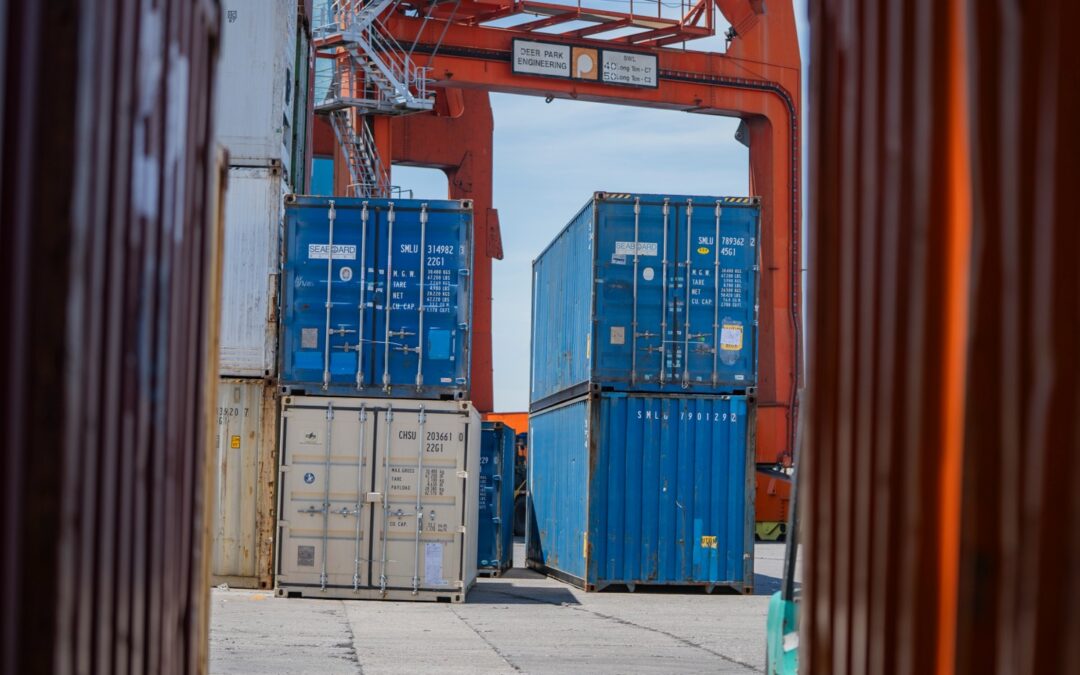
Through the 2026 Fiscal Policy Measures and Tariff Amendments approved by the Federal Government, Nigeria has deployed trade policy as an instrument of industrial strategy. A revised import prohibition list now applies to specified goods originating from countries outside the Economic Community of West African States (ECOWAS). These measures took effect on 1 April 2026, with a 90-day transitional window for importers who had already opened Form M and entered irrevocable trade agreements before commencement. The same policy package also introduced an Import Adjustment Tax on 192 tariff lines, indicating that the framework is intended not only to prohibit selected imports, but also to increase the cost of a wider range of goods that remain legally importable.
The Policy has attracted immediate attention because it extends beyond heavy industry to core Fast-Moving Consumer Goods (FMCG) categories. The affected list reportedly includes refined vegetable oils, sugar products, cocoa derivatives, tomatoes, certain beverages, soaps, detergents, paper packaging products, glass bottles, pharmaceuticals, fertilisers, poultry products, and bagged cement, among others.
For the FMCG market, this development is commercially significant because it affects sourcing models, pricing structures, production planning, competition dynamics, regulatory risk, and capital allocation decisions. It is an intervention capable of re-ordering supply chains across food, household care, personal care, packaging, and healthcare markets.