
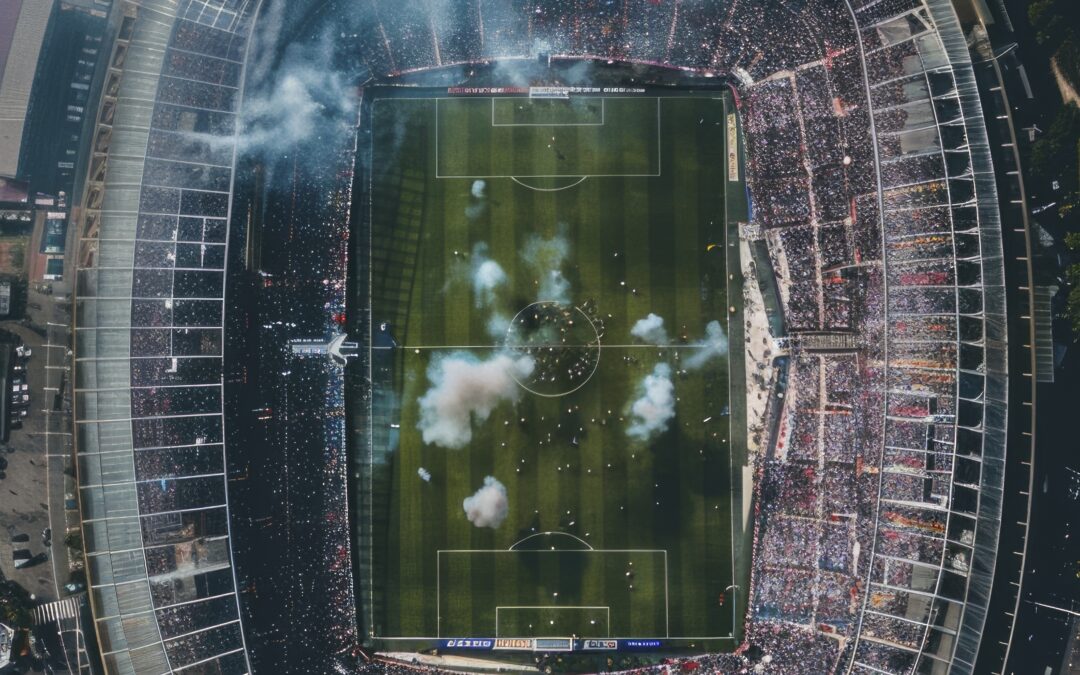
Major sporting events like the FIFA World Cup, the Olympics, and the Super Bowl attract billions of viewers and bring people together across cultures. These events shape national pride and cultural identity, providing massive sponsorship and brand visibility platforms. For example, the FIFA World Cup 2022 recorded over 5 billion media engagements. This immense audience underscores both the cultural significance and substantial commercial value inherent in these events, making robust Intellectual Property (IP) protection crucial due to their vulnerability to IP violations.
A common IP infringement associated with sporting events is Ambush Marketing, a tactic whereby companies attempt to benefit from the visibility and publicity of a major event by associating with it, despite not having secured official sponsorship or authorization from the organizers.
This tactic violates the exclusivity granted to official sponsors and undermines the value of sponsorship. During the 2010 FIFA World Cup, Dutch brewer, Bavaria sent 36 women in orange dresses (their brand color) to a match, making them resemble lions (the Bavaria brand symbol) at a match where Budweiser was the official beer sponsor. Midway through the match, FIFA officials identified the coordinated appearance of the women in the branded dresses as a deliberate ambush marketing stunt.
They deemed it a violation of the strict marketing regulations designed to protect the rights of official sponsors like Budweiser, which also prompted legal action by FIFA. This article examines ambush marketing as a key form of IP infringement during major sporting events and evaluates the legal frameworks and enforcement mechanisms available to address and prevent such practices.