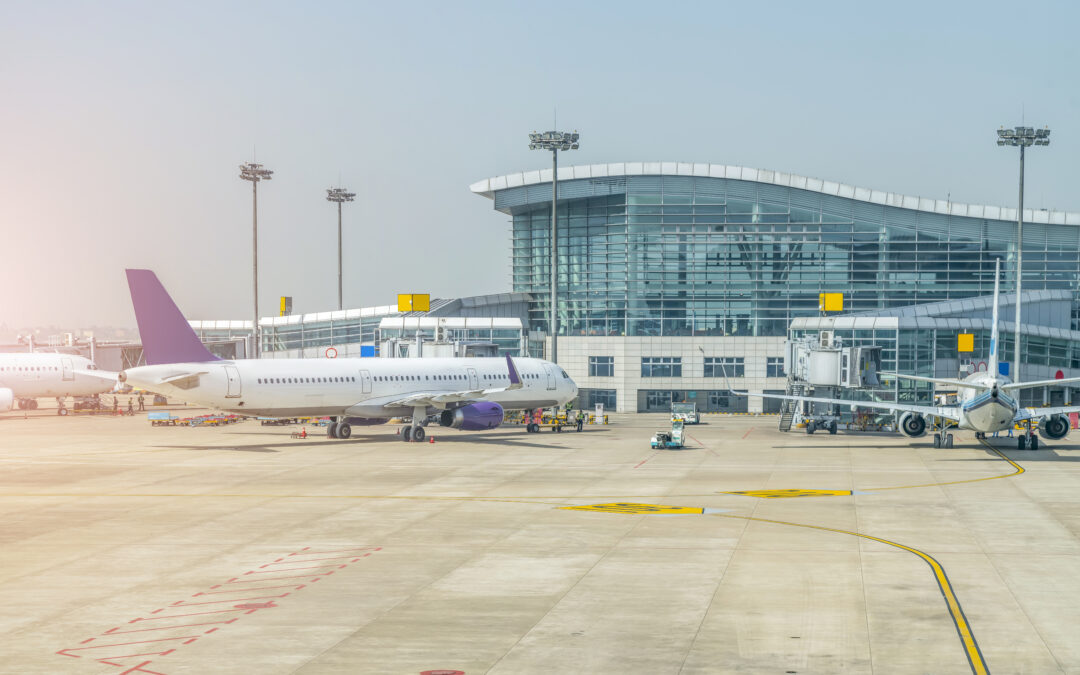
Nigeria operates the largest domestic aviation market in West Africa, and that market depends overwhelmingly on leased aircraft. Rather than purchasing aircraft outright, which is highly capital intensive, most Nigerian airlines rely on operating, finance, dry and wet lease arrangements to build and maintain their fleets. For international lessors and financiers, this presents a significant commercial opportunity.
Nigeria’s large and growing population, increasing demand for air travel and strategic position as a regional aviation hub continue to make it an attractive destination for aircraft leasing and aviation finance. Opportunity, however, comes with risk. Aircrafts are high-value, mobile assets that routinely cross jurisdictions and are exposed to a range of commercial, regulatory and operational risks. In Nigeria, those risks may be heightened by foreign exchange volatility, regulatory requirements, insolvency concerns and the practical realities of enforcement.
Consequently, every aircraft lease should be structured on the assumption that it may one day become an asset recovery exercise. The real test of a leasing transaction is therefore not whether the lease performs as expected, but whether the lessor can promptly protect and recover its asset when the transaction becomes distressed.