
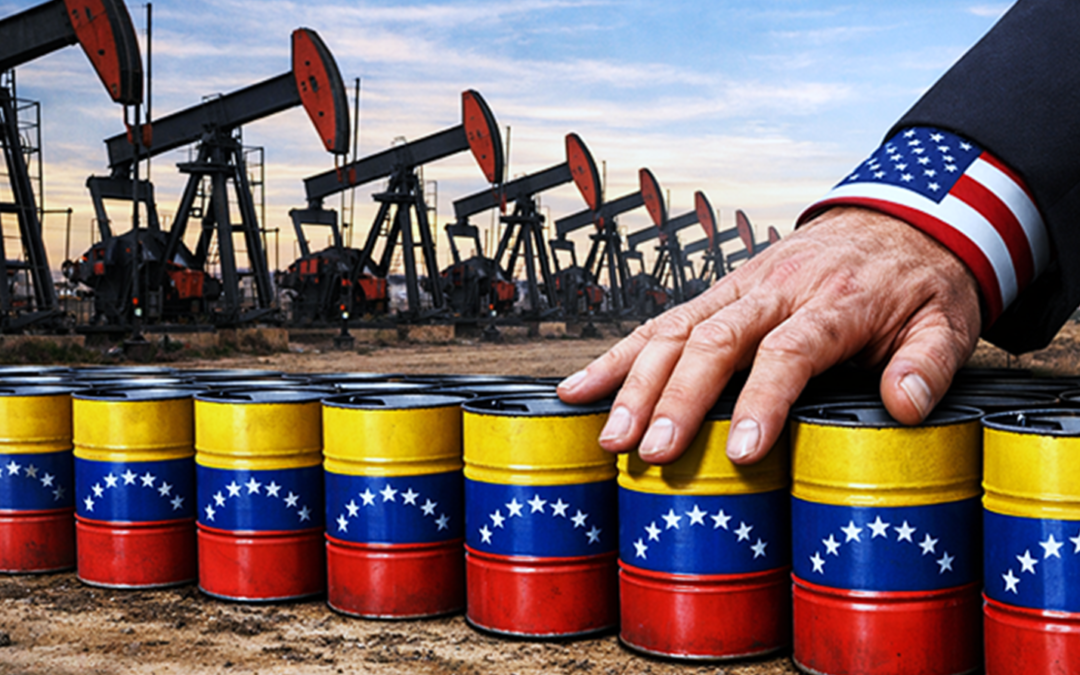
In early January 2026, reports circulated regarding significant U.S. actions in Venezuela, including alleged military operations in and around Caracas and claims concerning the detention of Venezuelan President Nicolás Maduro and his wife, Cilia Flores. U.S. officials have made public statements regarding these events, while Venezuelan authorities and other international actors have disputed aspects of those accounts. Independent verification remains limited, and the factual, legal, and diplomatic implications continue to be debated.
Regardless of how these reports ultimately resolve, they have contributed to heightened political uncertainty surrounding Venezuela’s governance, international relations, and regulatory outlook. For companies and financial institutions with exposure to Venezuela, the situation reinforces the need for careful reassessment of legal, contractual, sanctions, and operational risk.
Venezuela remains strategically significant due to its resource base. It holds the world’s largest proven crude oil reserves, estimated at approximately 303 billion barrels, representing roughly 17 percent of global proven reserves, according to the OPEC Annual Statistical Bulletin data. While current production levels remain constrained, developments affecting Venezuela’s political and regulatory environment can have meaningful implications for energy markets and cross-border investment.
Open PDF to continue reading >>