
The first quarter of 2026 marked a period of dynamic transition for Nigeria’s energy sector, characterised by upstream regulatory activity, persistent downstream price volatility driven by global geopolitical upheaval, continued power sector financial restructuring, and accelerating renewable energy deployment. Events during the quarter underscored a sector navigating the compounding pressures of Middle East geopolitical tensions, domestic production constraints, and the ongoing structural reform agenda under the Petroleum Industry Act (PIA).
A defining feature of Q1 2026 was the sharp rise in global crude oil prices driven by the outbreak of conflict between the United States, Israel, and Iran in early March 2026, which pushed Brent crude from approximately $74 per barrel at the close of Q4 2025 to over $110 per barrel by mid-March 2026. This geopolitical shock transmitted directly into Nigeria’s downstream market, with the Dangote Petroleum Refinery revising its ex-gantry petrol price upward multiple times within days, reaching N1,175 per litre by mid-March from an earlier low of N774 per litre. The episode demonstrated both the critical stabilising role of domestic refining capacity and the continuing vulnerability of Nigeria’s fuel market to international crude price movements.
On the upstream front, Nigeria’s total crude oil and condensate production averaged approximately 1.627 million barrels per day (bpd) in January 2026, according to the Nigerian Upstream Petroleum Regulatory Commission (NUPRC), representing a 6.3 per cent year-on-year decline from January 2025. The country continued to fall short of its OPEC production quota of 1.5 million bpd, marking six consecutive months of underperformance. NNPC Ltd unveiled its Gas Master Plan 2026 on January 30, targeting 12 BSCFD of gas production by 2030 and over $60 billion in catalysed investments, while the 2025 Licensing Round advanced into its pre-bid conference phase with sustained investor interest.
The power sector in Q1 2026 was shaped by continued financial restructuring, with the Federal Government’s N501 billion power sector bond recording full subscription in January 2026, providing early momentum for the Presidential Power Sector Debt Reduction Programme. However, repeated national grid collapses and gas supply disruptions to thermal power plants exposed the persistent fragility of the electricity value chain. The Nigerian Electricity Regulatory Commission (NERC) issued a directive ordering distribution companies to refund N20.33 billion to customers under the Meter Asset Provider scheme, adding further liquidity pressure on an already strained distribution segment.
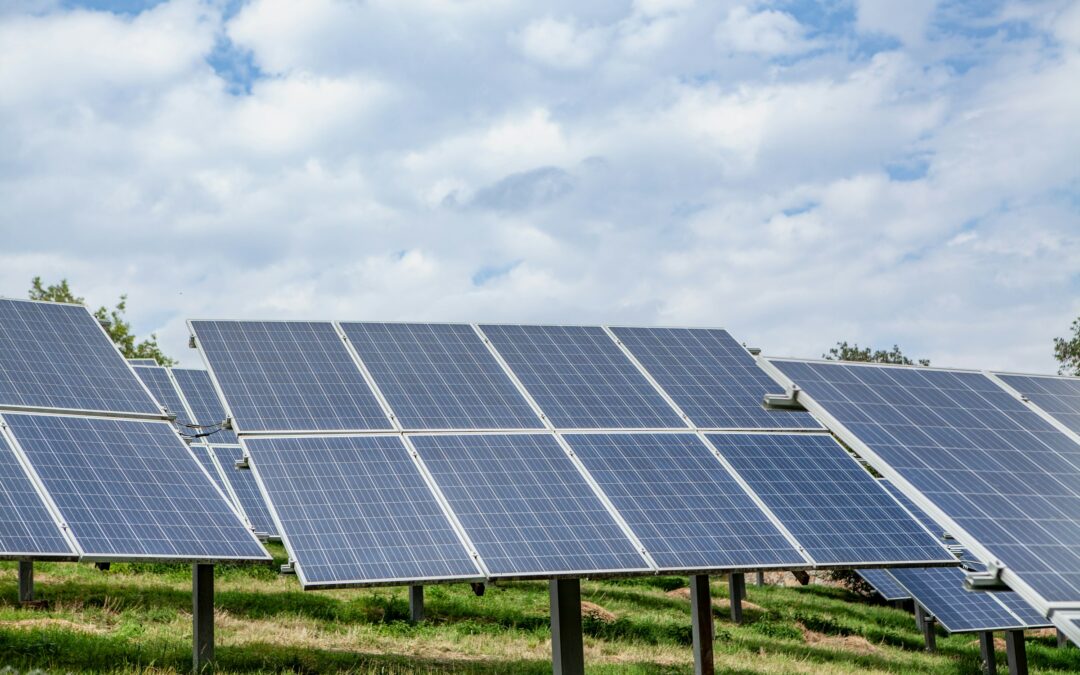
Nigeria’s renewable energy sector gained significant momentum in Q1 2026, anchored by the formal launch of the US$750 million Distributed Access through Renewable Energy Scale-Up (DARES) programme, which aims to deploy 1,350 solar mini-grids and connect 17.5 million Nigerians to electricity. Nigeria’s solar assembly capacity surpassed 600 MW in 2025, and the country was identified alongside South Africa as a leading contributor to Africa’s record-breaking solar growth year. Overall, Q1 2026 reflected a Nigerian energy sector navigating the intersection of global volatility and domestic reform imperatives, with regulatory momentum and renewable deployment signalling purposeful transition even as upstream production shortfalls, power grid fragility, and downstream price instability underscored significant execution risks across the energy value chain